☀️ Welcome to The Anara Education Centre
Bringing clarity to healthcare through evidence-based education
If you have found your way here, perhaps you have been told your blood work is “normal,” but you still do not feel like yourself. Perhaps you are pregnant and wondering whether your exhaustion is simply part of pregnancy. Perhaps you are living with heavy menstrual bleeding, persistent fatigue, dizziness, shortness of breath, heart palpitations, a chronic health condition, or symptoms that have been difficult to understand or manage. Or perhaps you are a healthcare professional looking for trusted, evidence-based resources to support your patients.
Whatever brought you here, we are glad you found us.
The Anara Education Centre was created from a simple belief:
Understanding your health is one of the most powerful steps toward caring for it.
As nurses, educators, and healthcare professionals, we have witnessed how chronic health conditions, nutritional deficiencies, and complex medical concerns can profoundly affect a person’s quality of life. We have also seen the relief that can come when people better understand their health, feel heard, and are empowered to participate in their care.
That is why we created this space.
Here, you will find educational resources developed from current peer-reviewed research, recognized clinical guidelines, and evidence-based practice. Each resource is written in language that is approachable, accurate, balanced, and compassionate.
Our goal is not to diagnose, recommend treatment for an individual, or replace the advice of your healthcare provider. Instead, we hope to help you better understand your health, ask informed questions, and support meaningful conversations with your physician, nurse practitioner, midwife, specialist, or other qualified healthcare professional.
Healthcare is continually evolving, and recommendations may change as new evidence becomes available. We are committed to reviewing and updating our educational resources to reflect current evidence and recognized clinical guidance whenever possible.
So take your time.
Ask questions.
Keep learning.
And remember:
☀️ A Light to Take With You
Every conversation is an opportunity to bring light where there was once uncertainty.
Welcome to The Anara Education Centre.
We are honoured to learn alongside you.
Medical Disclaimer
The content within The Anara Education Centre is intended for general educational and informational purposes only. It does not constitute medical advice and should not replace consultation with a physician, nurse practitioner, midwife, specialist, pharmacist, or other qualified healthcare professional.
Do not begin, stop, or change a medication, supplement, treatment, or healthcare plan based solely on information provided on this website. Seek professional medical care for questions about your symptoms, laboratory results, diagnosis, or treatment options.
IRON MADE SIMPLE
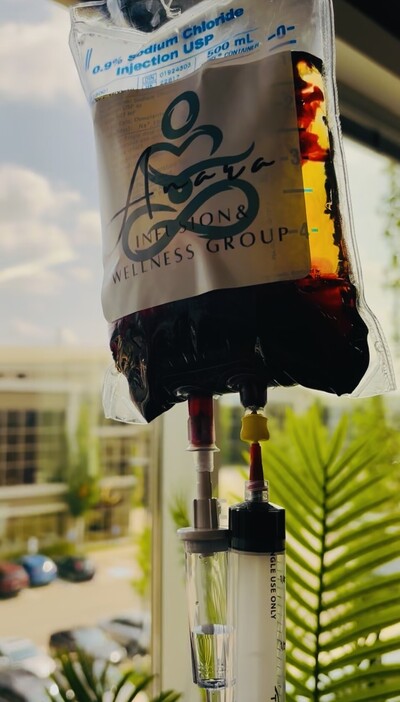
 IRON DEFICIENCY IN PREGNANCY: Why Early Recognition & Treatment Matter COMING SOON!
An Exciting Step Forward in Recognizing Iron Deficiency
In September 2026, the American Society of Hematology (ASH) released new evidence-based clinical practice guidelines for diagnosing iron deficiency. The new guidance recommends higher ferritin thresholds across several populations, with the goal of helping clinicians recognize iron deficiency earlier and more accurately.
For those of us who care deeply about improving awareness and understanding of iron deficiency, this is an exciting and meaningful step forward.
Why is this so important?
Iron deficiency is incredibly common, yet it can still be overlooked. ASH reports that iron deficiency affects an estimated 1 in 3 people worldwide, and that up to 70% of cases may be missed among high-risk populations.
One of the challenges has been variability in testing practices and ferritin reference ranges. The new ASH guidance recognizes that some individuals who may previously have been considered to have adequate iron stores may actually meet criteria for iron deficiency under these updated thresholds.
This matters because iron deficiency can exist with or without anemia.
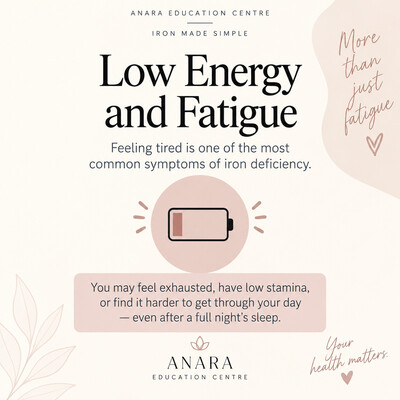
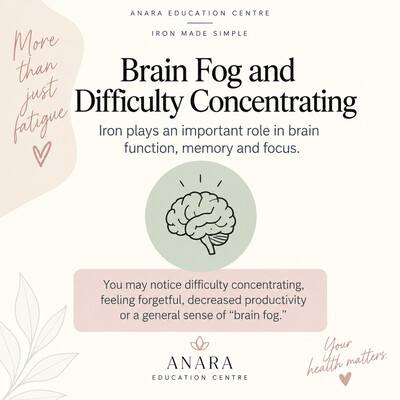
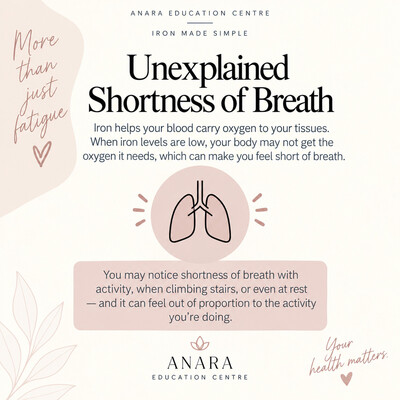
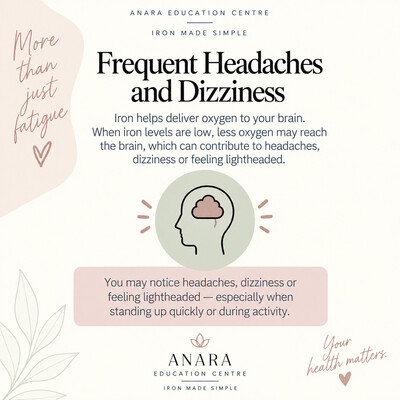
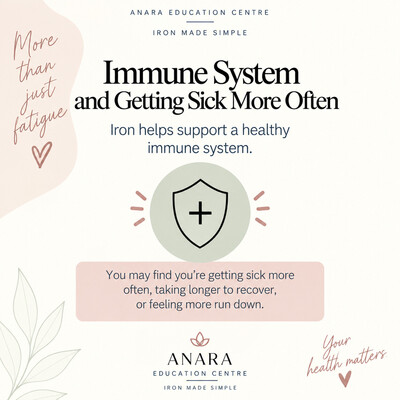
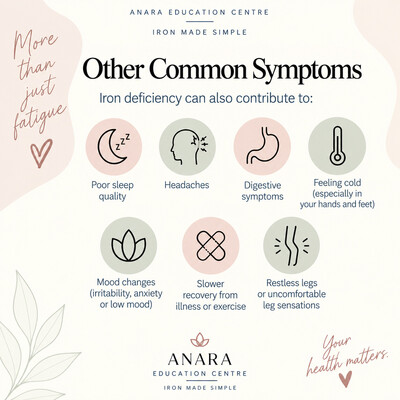
Iron plays a role far beyond hemoglobin. It is important for oxygen transport as well as the health and function of the brain, immune system, muscles, skin, hair and nails. Symptoms of iron deficiency may include fatigue, weakness, dizziness, difficulty concentrating, shortness of breath, headaches and a rapid heartbeat.
Why we're excited at Anara
At Anara, we have long believed in looking beyond a single number and listening to the person sitting in front of us.
So many conversations about iron begin with someone saying that they haven't felt like themselves, yet they haven't understood why.
Seeing a major organization such as ASH bring greater attention to iron deficiency, population-specific ferritin thresholds, and the importance of earlier and more accurate recognition is incredibly encouraging.
Most importantly, we hope this evolving guidance leads to more conversations, greater awareness and more people feeling heard when something doesn't feel right.
If you have symptoms or questions about your iron health, speak with your healthcare provider about whether ferritin and other iron studies may be appropriate for you.
Source: American Society of Hematology (ASH), 2026 Clinical Practice Guidelines on Diagnosis of Iron Deficiency. https://www.hematology.org/newsroom/press-releases/2026/ash-sets-new-standards-for-diagnosing-iron-deficiency
This information is shared for educational purposes and summarizes recently released ASH guidance. It is not intended to replace individualized medical assessment, diagnosis or treatment. Please refer to the American Society of Hematology for the complete clinical practice guidelines.
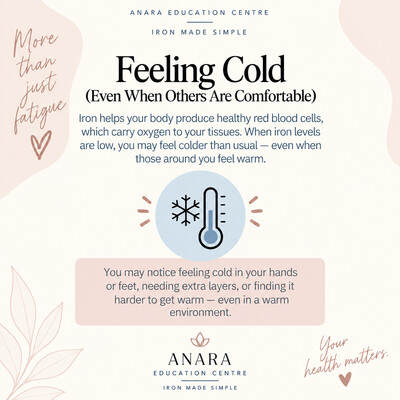
Symptoms of Iron Deficiency

MCAS is real. And you are not alone. 🤍
For some people, the journey toward understanding Mast Cell Activation Syndrome begins with symptoms that seem unrelated, unpredictable, or difficult to explain.
For others, it begins with simply hearing the words Mast Cell Activation Syndrome and wondering whether it could be part of their story.
Wherever you are in that journey, we want you to know that you are not alone.
At Anara, we recognize that MCAS is complex. Symptoms can fluctuate, vary from person to person, and involve more than one body system—making it difficult to know where to begin.
And sometimes, beginning with a conversation matters.
MAST CELL ACTIVATION SYNDROME
Mast cells are an important part of the immune system, releasing chemical mediators as part of the body’s normal response to potential threats. In Mast Cell Activation Syndrome (MCAS), abnormal mast cell activation can lead to episodes of symptoms affecting more than one body system.
References:
- Afrin, L. B., Ackerley, M. B., Bluestein, L. S., et al. (2021). Diagnosis of mast cell activation syndrome: A global “consensus-2.” Diagnosis, 8(2), 137–152. https://doi.org/10.1515/dx-2020-0005
- Valent, P., Akin, C., Bonadonna, P., et al. (2022). Updated diagnostic criteria and classification of mast cell disorders: A consensus proposal. HemaSphere, 6(1), e685. https://doi.org/10.1097/HS9.0000000000000685
Symptoms associated with mast cell activation may fluctuate and overlap with other health conditions, determining what is happening can be complex and requires an individualized medical assessment.
If you're experiencing unexplained or recurring symptoms and don't know where to begin, you don't need to have all the answers before reaching out.
This information is provided for educational purposes and is not intended to diagnose MCAS or replace individualized medical assessment.
References
- Afrin, L. B., Ackerley, M. B., Bluestein, L. S., Hoffman, B., et al. (2021). Diagnosis of mast cell activation syndrome: A global “consensus-2.” Diagnosis, 8(2), 137–152.
- Afrin, L. B., Butterfield, J. H., Raithel, M., & Molderings, G. J. (2016). Often seen, rarely recognized: Mast cell activation disease—A guide to diagnosis and therapeutic options. Annals of Medicine, 48(3), 190–201.
- Lee, E., & Picard, M. (2025). Diagnosis and management of mast cell activation syndrome (MCAS) in Canada: A practical approach. Allergy, Asthma & Clinical Immunology, 21, 49.
